.jpg)


.jpg)


Tulle Embroidery

Tool Kit List
Tulle with hexagonal holes’ structure – it is not the standard.
Thread of your choice – get white for original Gabes results.
Embroidery needle.
Printed pattern.
Sewing pins.
Ruler.
Scissors or thread cutter.

Tulle Orientation

Leaf


Butterfly


Flower


Snowflake


Kettle


About Tunisian tulle embroidery
The craft of Tunisian tulle embroidery, originating in the city of Gabès in eastern Tunisia, constitutes a longstanding women’s artisanal practice transmitted intergenerationally within the local community. Following the French colonial occupation, institutional efforts were undertaken to document and consolidate indigenous crafts through the establishment of girls’ schools, in which Jewish and Muslim pupils studied side by side.
Tulle embroidery was widespread throughout the Mediterranean basin. Artisans typically embellished the tulle with cotton or silk threads and, in some cases, with metal strips, sequins, and ornamental metallic elements. The embroidery was executed with a running stitch that delineated the motif’s contours, woven into tulle mesh. The mesh structure was based on hexagons, not on rhombuses as commonly found today; its edges were hand-rolled to prevent unraveling and reinforced with a wrapping stitch. In contemporary practice, however, synthetic tulle, which is characterized by a distinct mesh structure, increased rigidity, and non-fraying properties, has become predominant.
The Gabès tradition of Tunisian embroidery is distinguished by its exclusive use of white cotton thread (Mouliné Embroidery Thread) that matches the color of the ground fabric and by its avoidance of knots. This technique requires considerable precision, methodological consistency, and deep familiarity with the governing principles of the craft, enabling the execution of both simple and highly intricate patterns.
Tulle embroidery historically played a central role in women’s and girls’ attire, including sleeves, dress panels, scarves, and head coverings. When garments deteriorated, the embroidered tulle components were carefully removed and repurposed, attesting to their economic and cultural significance. The motifs themselves draw upon natural and cultural references from the local environment and exhibit a marked preference for symmetry along a vertical midline, variations in density, and recurrent ornamental elements.
Books
-
Groves, Edna. A New Approach to Embroidered Net. London, 1987.
-
Revault, Jacques. “Broderies tunisiennes.” Cahiers de Tunisie 29–30 (1960): 138–158.
-
ברק, ברוריה. מעשה חשוב: מן התרבות החומרית במסורת קהילות ישראל – מדריך למורה.
משרד החינוך והתרבות, סדרת "עיצוב ועשייה", כרך 8, 1985, עמ' 65–67. -
טובי, צביה. מכלה לחמות: עולמה של האישה היהודייה בדרום תוניסיה והשתקפותו בספרות העממית.
ירושלים, מכון בן־צבי לחקר קהילות ישראל במזרח, 2016, עמ' 106–109.
-

TULLE EMBROIDERY Making by Rivka Seroussi
The meetings between Rivka Seroussi and Oshrit Dayan-Barazi & Hadar Tidhar took place in 2025 in Meitar, Israel.
A central figure in our research of this craft is Rivka Seroussi, 87, born in 1938 as Morjana Benattia, in the city of Gabès, Tunisia. She studied at the Centre de Formation Professionnelle, the local vocational school established during the French Protectorate. Seroussi immigrated to Israel in 1954 at the age of sixteen and worked as a seamstress at Maskit, the iconic Israeli fashion house founded by Ruth Dayan, for approximately 9 years. She is believed to be the last living practitioner of this specific embroidery tradition in Israel.
During her studies, Seroussi received instruction in French as well as in a range of material practices, including sewing and pattern drafting, embroidery, and weaving. She preserved her notebooks from these years, which contain dozens of embroidery patterns that articulate a coherent, systematic visual language. These notebooks testify to a rich world of finely executed handicraft, deeply embedded in cultural history and artisanal knowledge.
Our initial encounter with Seroussi’s tulle-embroidery notebook was profoundly significant from a design-research perspective; it became evident that we had accessed a rare archival fragment of a tradition on the verge of extinction. This realization prompted our decision to study and preserve the craft methodically.
The collaborative process with Seroussi proved deeply revealing. Having not practiced the technique since her youth, she no longer recalled the craft’s operational steps. However, the iterative meetings dedicated to reconstructing the procedure facilitated the gradual reemergence of her embodied knowledge. Observing the return of this tacit skill, manifested in the memory embedded in her hands, was a remarkable and instructive experience, illuminating the persistence of artisanal knowledge even after decades of dormancy.
While conducting this research, we unexpectedly came across another treasure – the original notebook of Rivka Seroussi’s teacher in Gabès, Ourida Cohen, who passed away in 2013. Photos of her incredible notebook, kindly provided by Ourida’s daughter Osnat, are included in the attached galley.


Lior Shahory, General Partner, Peregrine Ventures and CEO, Incentive (Peregrine’s Incubator)
Shomrat Shurtz, CEO, I-NEXT Tech Ichilov

Lior Shahory, General Partner, Peregrine Ventures and CEO, Incentive (Peregrine’s Incubator)
Shomrat Shurtz, CEO, I-NEXT Tech Ichilov

Lior Shahory, General Partner, Peregrine Ventures and CEO, Incentive (Peregrine’s Incubator)
Shomrat Shurtz, CEO, I-NEXT Tech Ichilov

Lior Shahory, General Partner, Peregrine Ventures and CEO, Incentive (Peregrine’s Incubator)
Shomrat Shurtz, CEO, I-NEXT Tech Ichilov

Lior Shahory, General Partner, Peregrine Ventures and CEO, Incentive (Peregrine’s Incubator)
Shomrat Shurtz, CEO, I-NEXT Tech Ichilov

Lior Shahory, General Partner, Peregrine Ventures and CEO, Incentive (Peregrine’s Incubator)
Shomrat Shurtz, CEO, I-NEXT Tech Ichilov

Lior Shahory, General Partner, Peregrine Ventures and CEO, Incentive (Peregrine’s Incubator)
Shomrat Shurtz, CEO, I-NEXT Tech Ichilov


-
is simply dummy text of the printing and typesetting industry.
-
Lorem Ipsum has been the industry's standard
-
dummy text ever since the 1500s, when an
-
unknown printer took
-

About Van Gogh
Change the text to include your own content. Adjust the font, size or scale to customize the style.
Include as much or as little text as you want. Tabs grow and shrink vertically to fit your text. Each tab can have a different height and look. Change the text to include your own content. Adjust the font, size or scale to customize the style.Include as much or as little text as you want. Tabs grow and shrink vertically to fit your text. Each tab can have a different height and look
Change the text to include your own content. Adjust the font, size or scale to customize the style.
Include as much or as little text as you want. Tabs grow and shrink vertically to fit your text. Each tab can have a different height and look. Change the text to include your own content. Adjust the font, size or scale to customize the style.Include as much or as little text as you want. Tabs grow and shrink vertically to fit your text. Each tab can have a different height and look


About Dali
Change the text to include your own content. Adjust the font, size or scale to customize the style.
Include as much or as little text as you want. Tabs grow and shrink vertically to fit your text. Each tab can have a different height and look. Change the text to include your own content. Adjust the font, size or scale to customize the style.Include as much or as little text as you want. Tabs grow and shrink vertically to fit your text. Each tab can have a different height and look
Change the text to include your own content. Adjust the font, size or scale to customize the style.
Include as much or as little text as you want. Tabs grow and shrink vertically to fit your text. Each tab can have a different height and look. Change the text to include your own content. Adjust the font, size or scale to customize the style.Include as much or as little text as you want. Tabs grow and shrink vertically to fit your text. Each tab can have a different height and look

About Picasso
Change the text to include your own content. Adjust the font, size or scale to customize the style.
Include as much or as little text as you want. Tabs grow and shrink vertically to fit your text. Each tab can have a different height and look. Change the text to include your own content. Adjust the font, size or scale to customize the style.Include as much or as little text as you want. Tabs grow and shrink vertically to fit your text. Each tab can have a different height and look
Change the text to include your own content. Adjust the font, size or scale to customize the style.
Include as much or as little text as you want. Tabs grow and shrink vertically to fit your text. Each tab can have a different height and look. Change the text to include your own content. Adjust the font, size or scale to customize the style.Include as much or as little text as you want. Tabs grow and shrink vertically to fit your text. Each tab can have a different height and look

About Magritte
Change the text to include your own content. Adjust the font, size or scale to customize the style.
Include as much or as little text as you want. Tabs grow and shrink vertically to fit your text. Each tab can have a different height and look. Change the text to include your own content. Adjust the font, size or scale to customize the style.Include as much or as little text as you want. Tabs grow and shrink vertically to fit your text. Each tab can have a different height and look
Change the text to include your own content. Adjust the font, size or scale to customize the style.
Include as much or as little text as you want. Tabs grow and shrink vertically to fit your text. Each tab can have a different height and look. Change the text to include your own content. Adjust the font, size or scale to customize the style.Include as much or as little text as you want. Tabs grow and shrink vertically to fit your text. Each tab can have a different height and look
About Van Gogh
Change the text to include your own content. Adjust the font, size or scale to customize the style.
Include as much or as little text as you want. Tabs grow and shrink vertically to fit your text. Each tab can have a different height and look. Change the text to include your own content. Adjust the font, size or scale to customize the style.Include as much or as little text as you want. Tabs grow and shrink vertically to fit your text. Each tab can have a different height and look
Change the text to include your own content. Adjust the font, size or scale to customize the style.
Include as much or as little text as you want. Tabs grow and shrink vertically to fit your text. Each tab can have a different height and look. Change the text to include your own content. Adjust the font, size or scale to customize the style.Include as much or as little text as you want. Tabs grow and shrink vertically to fit your text. Each tab can have a different height and look
About Dali
Change the text to include your own content. Adjust the font, size or scale to customize the style.
Include as much or as little text as you want. Tabs grow and shrink vertically to fit your text. Each tab can have a different height and look. Change the text to include your own content. Adjust the font, size or scale to customize the style.Include as much or as little text as you want. Tabs grow and shrink vertically to fit your text. Each tab can have a different height and look
Change the text to include your own content. Adjust the font, size or scale to customize the style.
Include as much or as little text as you want. Tabs grow and shrink vertically to fit your text. Each tab can have a different height and look. Change the text to include your own content. Adjust the font, size or scale to customize the style.Include as much or as little text as you want. Tabs grow and shrink vertically to fit your text. Each tab can have a different height and look
About Picasso
Change the text to include your own content. Adjust the font, size or scale to customize the style.
Include as much or as little text as you want. Tabs grow and shrink vertically to fit your text. Each tab can have a different height and look. Change the text to include your own content. Adjust the font, size or scale to customize the style.Include as much or as little text as you want. Tabs grow and shrink vertically to fit your text. Each tab can have a different height and look
Change the text to include your own content. Adjust the font, size or scale to customize the style.
Include as much or as little text as you want. Tabs grow and shrink vertically to fit your text. Each tab can have a different height and look. Change the text to include your own content. Adjust the font, size or scale to customize the style.Include as much or as little text as you want. Tabs grow and shrink vertically to fit your text. Each tab can have a different height and look
About Magritte
Change the text to include your own content. Adjust the font, size or scale to customize the style.
Include as much or as little text as you want. Tabs grow and shrink vertically to fit your text. Each tab can have a different height and look. Change the text to include your own content. Adjust the font, size or scale to customize the style.Include as much or as little text as you want. Tabs grow and shrink vertically to fit your text. Each tab can have a different height and look
Change the text to include your own content. Adjust the font, size or scale to customize the style.
Include as much or as little text as you want. Tabs grow and shrink vertically to fit your text. Each tab can have a different height and look. Change the text to include your own content. Adjust the font, size or scale to customize the style.Include as much or as little text as you want. Tabs grow and shrink vertically to fit your text. Each tab can have a different height and look
About Van Gogh
Change the text to include your own content. Adjust the font, size or scale to customize the style.
Include as much or as little text as you want. Tabs grow and shrink vertically to fit your text. Each tab can have a different height and look. Change the text to include your own content. Adjust the font, size or scale to customize the style.Include as much or as little text as you want. Tabs grow and shrink vertically to fit your text. Each tab can have a different height and look
Change the text to include your own content. Adjust the font, size or scale to customize the style.
Include as much or as little text as you want. Tabs grow and shrink vertically to fit your text. Each tab can have a different height and look. Change the text to include your own content. Adjust the font, size or scale to customize the style.Include as much or as little text as you want. Tabs grow and shrink vertically to fit your text. Each tab can have a different height and look
About Dali
Change the text to include your own content. Adjust the font, size or scale to customize the style.
Include as much or as little text as you want. Tabs grow and shrink vertically to fit your text. Each tab can have a different height and look. Change the text to include your own content. Adjust the font, size or scale to customize the style.Include as much or as little text as you want. Tabs grow and shrink vertically to fit your text. Each tab can have a different height and look
Change the text to include your own content. Adjust the font, size or scale to customize the style.
Include as much or as little text as you want. Tabs grow and shrink vertically to fit your text. Each tab can have a different height and look. Change the text to include your own content. Adjust the font, size or scale to customize the style.Include as much or as little text as you want. Tabs grow and shrink vertically to fit your text. Each tab can have a different height and look
About Picasso
Change the text to include your own content. Adjust the font, size or scale to customize the style.
Include as much or as little text as you want. Tabs grow and shrink vertically to fit your text. Each tab can have a different height and look. Change the text to include your own content. Adjust the font, size or scale to customize the style.Include as much or as little text as you want. Tabs grow and shrink vertically to fit your text. Each tab can have a different height and look
Change the text to include your own content. Adjust the font, size or scale to customize the style.
Include as much or as little text as you want. Tabs grow and shrink vertically to fit your text. Each tab can have a different height and look. Change the text to include your own content. Adjust the font, size or scale to customize the style.Include as much or as little text as you want. Tabs grow and shrink vertically to fit your text. Each tab can have a different height and look
About Magritte
Change the text to include your own content. Adjust the font, size or scale to customize the style.
Include as much or as little text as you want. Tabs grow and shrink vertically to fit your text. Each tab can have a different height and look. Change the text to include your own content. Adjust the font, size or scale to customize the style.Include as much or as little text as you want. Tabs grow and shrink vertically to fit your text. Each tab can have a different height and look
Change the text to include your own content. Adjust the font, size or scale to customize the style.
Include as much or as little text as you want. Tabs grow and shrink vertically to fit your text. Each tab can have a different height and look. Change the text to include your own content. Adjust the font, size or scale to customize the style.Include as much or as little text as you want. Tabs grow and shrink vertically to fit your text. Each tab can have a different height and look
Project Name by Artist


Decorative 3D concrete tile, square-shaped; when duplicated and placed in a square grid, it creates pattern No. 10 from Rebecca’s embroidery notebook. The pattern is titled "The Hand of Fatima”. The tile simulates both the tulle netting texture and the white-thread embroidery patterns.


HADAR TIDHAR is a product designer and owner of TidharDesign. A 2014 graduate of the Industrial Design Department at Shenkar, where he currently lectures. In recent years, Hadar has been active in Southern Israel, lecturing at "Kulna" - the School for Contemporary Traditional Creation - which focuses on traditional crafts, design, and art through the lens of time, place, locality, and globalization.
Hadar was a partner in the Yeruham Creative Lab, an initiative dedicated to design and art within cultural, social, and community contexts, through public space projects, original exhibitions, and integrated content workshops. In 2025, he began his Master’s degree (M.Des) in Design at Shenkar, receiving a certificate of excellence for his first year.
Hadar’s academic research explores the synergy between ancient wisdom and contemporary relevance. His work emphasizes a layered design integrating culture, materials, and form, creating meaningful connections between humanity and the surrounding world.
How can a traditional craft be encoded digitally without losing its cultural context?
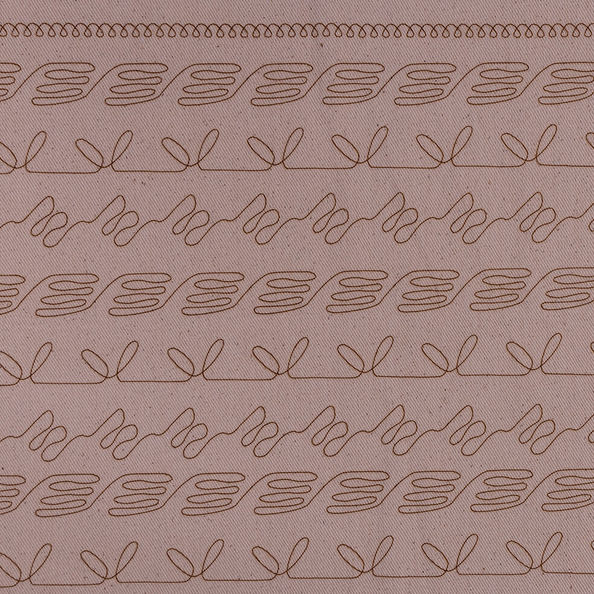
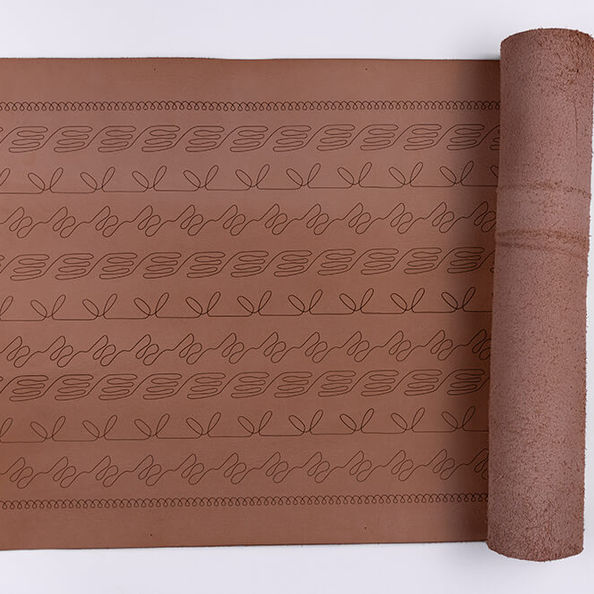
Using contemporary tools – graphic software, parametric design and laser engraving - I sought to decipher the patterns and reinvent them, without erasing their authenticity.
Thus, a new design system was built that does not imitate the past, but rather creates an echo of it in a new medium.
The project examines the gap between human hand and mechanical action – between the inherent regularity of embroidery and the open possibilities of digital translation. While doing so, I realized that precisely through encoding, a space of interpretation and freedom opened up for me.
The project offers a model for rethinking cultural preservation through contemporary design.
This development was conducted as part of a course in the Master of Design program, Coded Craft, taught by Tamara Efrat.


OSHRIT DAYAN BARAZI is an Israeli multidisciplinary interior designer and founder of OSHA Studio. Her practice is grounded in spatial research, exploring how materiality, color, and light shape embodied experience. With a B.A. in Interior Design and over fifteen years of experience designing private, public, and commercial spaces, she bridges the gap between professional practice and theoretical inquiry.
Currently an M.Des student at Shenkar College of Engineering and Design, Oshrit investigates the concept of layers as a spatial and experiential condition. Her research examines human perception and movement as processes unfolding through material, visual, and temporal strata. Through textile and ceramic practices, her work addresses questions of light, sustainability, and environmental awareness, positioning material-based research as an essential tool for future spatial design.


